Focused arrival windows
Useful updates and clear arrival timing.
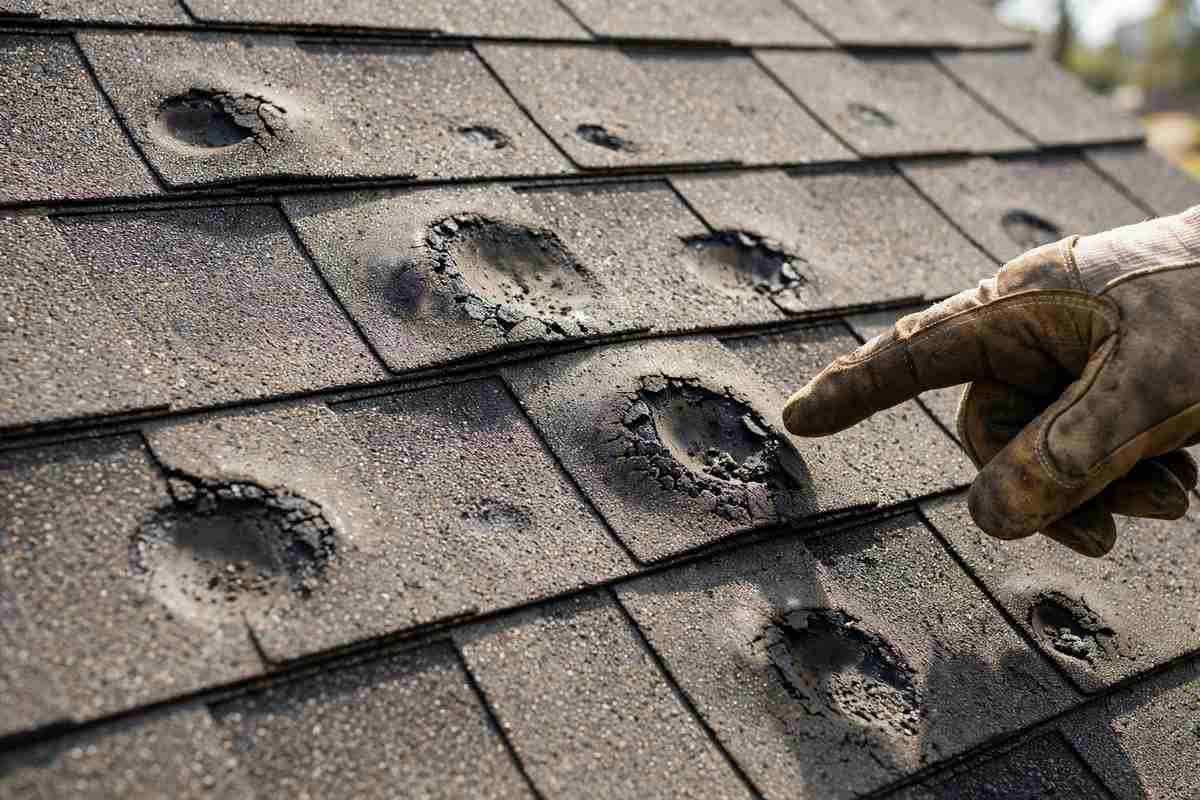
Hail damage in Houston often hides in plain sight. A bruised shingle looks fine from the ground, but the impact has cracked the fibreglass mat underneath, and granules wash into the gutters for months until the shingle fails. Hail season peaks in May, and March to June accounts for about 94% of very large hail in Texas. We inspect every slope, photograph every impact, and repair on a written scope.
Useful updates and clear arrival timing.
Review the approach and price before deciding.
Equipped vehicles and respectful cleanup.
Neighbors serving neighbors with follow-through.
A hail repair is an inspection, a file, and a repair — in that order. Here is what is included.
We walk every slope, checking shingles, flashing, vents, gutters and skylights for impacts, and photograph each one.
Every impact is photographed as found, with the storm date noted. The photos are yours, whether or not you claim.
Bruised and cracked shingles are removed, the underlayment beneath is checked, and matching shingles are installed.
Dented flashing, vents and skylight trim are repaired or replaced, because hail damage is not only shingles.
Where impacts were hard enough to crack shingles, the decking beneath is checked for soft spots before the roof is closed up.
If you claim, we meet your adjuster on site with the photos and the scope. We are not a public adjuster and we cannot guarantee approval.
Share what is happening and receive a clear next step from the local team.
Hail damage roof repair in Houston is the work of finding impacts you cannot see from the ground, proving them with photos, and replacing the shingles that will fail early.
Hail bruises a shingle by cracking the fibreglass mat under the granules. The shingle looks intact, but it has lost its strength, and granules wash off in the next rains until the mat is exposed. A bruised shingle fails years early, and the leak appears long after the storm is forgotten. That is why a hail inspection has to happen soon after the storm, while the impacts are fresh and the storm date is a matter of record.
Houston has no hail mandate and no Class 4 mandate. Impact-resistant shingles are a product choice with insurance implications, not a code requirement. What matters after a hailstorm is not the product you wish you had, but the inspection that finds what the storm actually did — and the photos that prove it.
You call (936) 873-7200 and tell us when the hail fell and what you can see: granules in the gutters, dents on vents or gutters, or shingles that look bruised.
We walk every slope and check shingles, flashing, vents, gutters and skylights, photographing every impact as found.
You get a written scope naming the damaged shingles and the repair, with materials and price, before any work starts.
If you claim, we meet your adjuster on site with the photos and the scope, and answer questions about what we found.
Damaged shingles are replaced, the repair is water-tested where a leak was the reason for the call, and we walk the finished work with you.
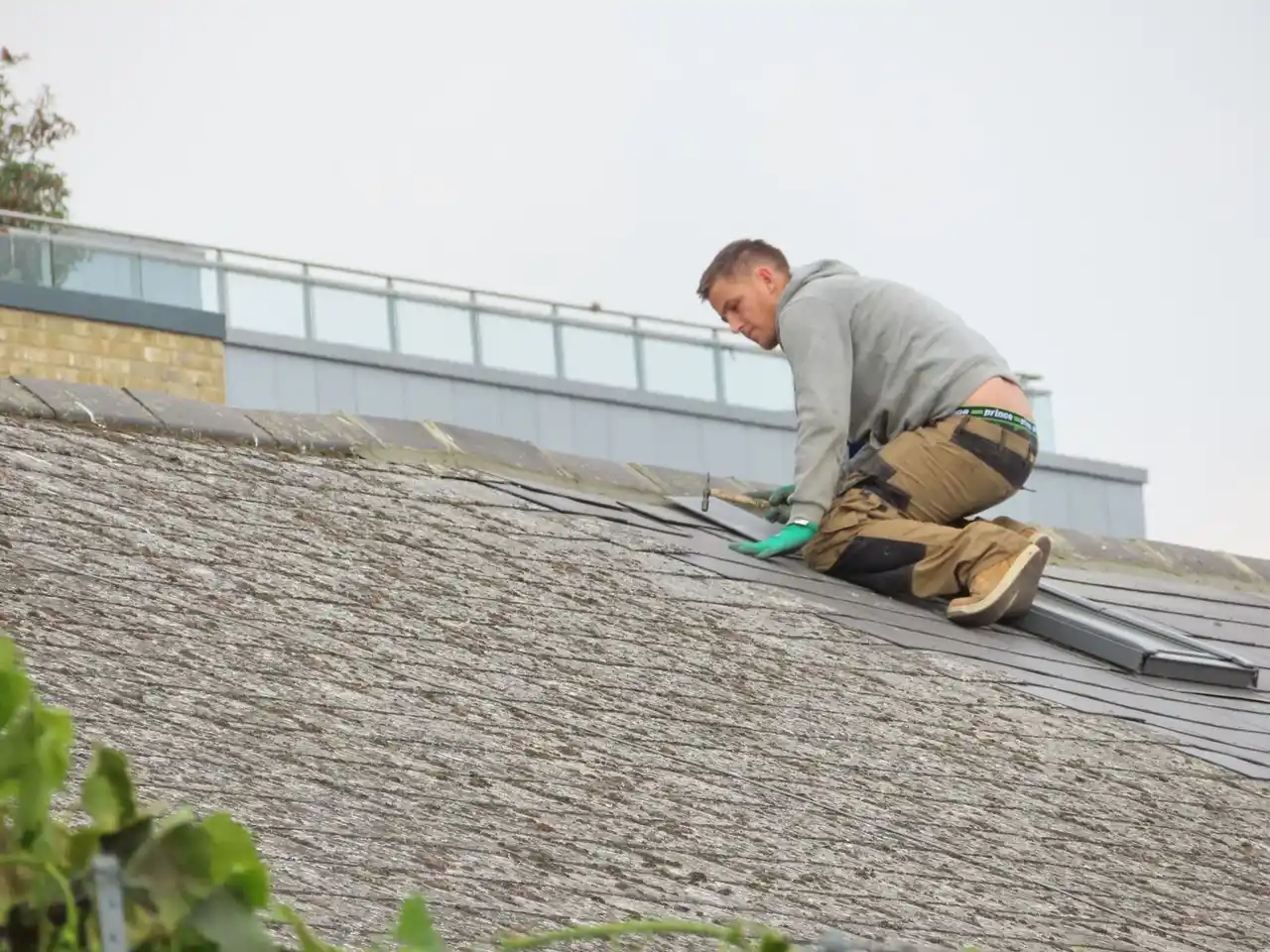
Every slope walked and checked by hand, because hail impacts are felt as soft spots in the shingle before they are seen.
Every impact photographed as found, with the storm date noted, for your claim file.
Measures water content in decking, finding moisture under bruised shingles that has not stained the ceiling yet.
Removes bruised shingles cleanly, so repairs blend in and do not disturb the surrounding roof.
New underlayment under any repaired section, so a patched shingle is not sitting on failed felt.
Dented flashing at chimneys, valleys and walls is repaired or replaced, because hail dents flashing as well as shingles.
Vents, gutters and skylight trim are checked for dents, which are the ground-visible proof of the hail that hit the roof.
Fasteners driven to the depth the shingle maker specifies, so the repair holds in the next wind event.
The yard is swept twice for nails before we leave.
Leak repairs are water-tested after the fix, to prove the repair holds.
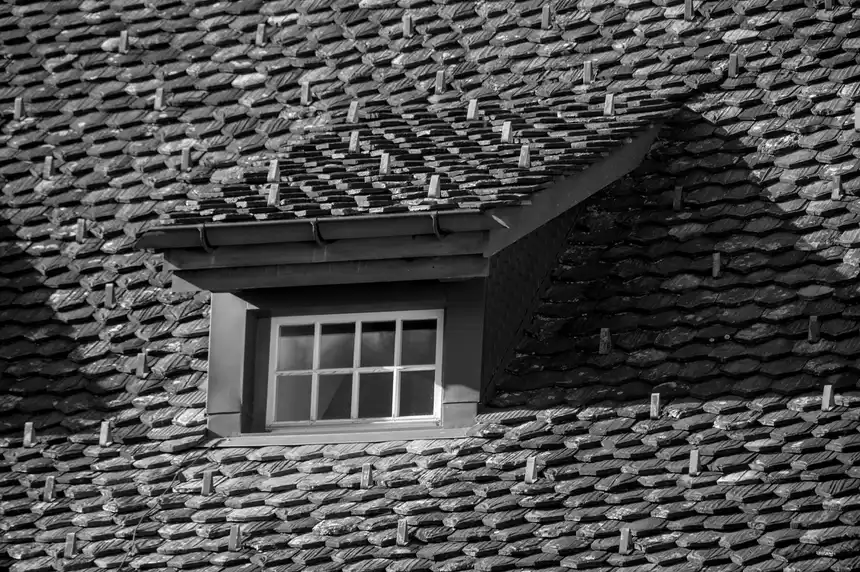
Granule loss is the earliest sign of hail damage. We inspect every slope and photograph every impact before the evidence washes away.
Dents on metal are the ground-visible proof of the hail that hit the roof. If the vents are dented, the shingles were hit too.
Hail falls unevenly, but if the same storm damaged roofs on your street, yours deserves an inspection, not an assumption.
A bruised shingle fails years early. If granules are washing off and the mat is showing, the damaged shingles need replacing now.
Hail in Houston is a spring story. Hail season peaks in May, and March to June accounts for about 94% of very large hail in Texas. The inspection has to happen while the impacts are fresh.
Hail season is spring, peaking in May. The inspection window is the weeks after the storm, while impacts are fresh and the storm date is a matter of record.
Meyerland's low-sloped ranch shingles take hail differently: bruising is harder to see from the ground, and wind-driven rain under the low-slope edge follows.
In River Oaks, hail cracks tile, displaces slate and dents copper. That needs a specialist assessment, not a shingle inspection.
On Midtown and EaDo townhomes, hail cracks flat membranes without leaking for months. A membrane inspection finds what a shingle walk cannot.
Inland hail corridor, with spring hail and straight-line wind most years. Pine needles in the valleys hide granule loss, so the gutters have to be checked, not just the slopes.
Coastal wind matters more than hail here, but spring hail still bruises shingles, and salt air works on fasteners and flashing after the storm.
Mature canopy shades roofs and holds moisture, so bruised shingles under oak cover stay damp and fail faster than bruises on a sunny slope.
Not listed? Bellaire, West University Place, Humble and Jersey Village are separate cities, not Houston neighbourhoods, and are not listed here. Call (936) 873-7200 and we will confirm coverage for your address.
Granules in the gutters after a spring hailstorm, with bruised shingles across the back slope but no leak yet.
Damaged shingles were replaced, the ridge was sealed, and the repair was water-tested. The photos went into the claim file before the leak appeared.
Afterwards: Check gutters for granules after every spring storm. Granule loss is the earliest sign of hail damage.
Dents on the vents and gutters after a hailstorm, with shingles that looked fine from the ground.
The inspection found bruised shingles on every slope the hail had hit. Damaged shingles were replaced and the vents repaired, with the photos in the claim file.
Afterwards: If the vents are dented, the shingles were hit too. Dents on metal are the proof you can see from the ground.
A shingle that had been bruised in a hailstorm months earlier, now with granules washed off and the mat exposed.
The failed shingles were replaced and the decking beneath was checked for soft spots before the roof was closed up.
Afterwards: Inspect soon after the storm. A bruise found months later is a shingle that has already lost years of its life.
Hail damage in Houston follows the same short list. These are the problems we inspect and repair most.
Hail cracks the fibreglass mat under the granules. The shingle looks fine but fails years early. We replace bruised shingles, not patch them.
A hard impact cracks the mat outright. Water gets in through the crack and rots the decking beneath. We replace the shingle and check the deck.
Hail dents flashing, vents and skylight trim. Dented flashing no longer sheds water properly, so we repair or replace it.
Granules protect the shingle from UV. When hail strips them, the mat is exposed and the shingle ages fast. Widespread granule loss is a replacement conversation, and we show you the photos.
Texas has no state roofing licence, so there is no licence number to show you. What we can show you is a real address, real Google reviews, photos of your own roof, and a written scope before any work starts.

Excerpts from our Google reviews, shown with the reviewer’s name, star rating and the date Google shows. Our full rating is 4.9 out of 5 across 46 Google reviews. See all reviews on Google.
★★★★★
From our first call with Thomas Family Roofing, it was clear they were focused on giving us a quality new roof and making the whole roofing process easy to understand. Miguel explained the scope of the roof replacement, the materials and shingle options...
★★★★☆
I had storm damage on my roof, and after the first insurance adjuster met with another roofing company, the claim was not approved for roof repair. My niece suggested i call Johnathan, and he came out, met with a different adjuster, and helped get the roof replacement approved.
★★★★★
We contacted Thomas Family Roofing for an estimate on repairs for our metal roof in Houston. Luis came out, inspected the roof in person, and explained clearly what needed attention, including a few details about flashing and panel areas that other roofers had missed.
Look for granules in the gutters, dents on vents, gutters or skylight trim, and shingles that feel soft or bruised when pressed. From the ground, hail damage often hides: a bruised shingle looks fine but has a cracked mat underneath. We walk every slope and photograph every impact, so you see what the storm actually did.
Published market ranges, not this business's prices: Angi Houston, updated 9 Jul 2026, puts the average roof repair at $1,002, with most homeowners paying $485–$1,535. Leak repairs in the same source run $360–$1,550. Your written scope will price your roof, not a table. Whether insurance pays depends on your policy, and we cannot guarantee approval. Your deductible must be paid by you — Texas law bars a contractor from waiving it.
Impact-resistant shingles are a product choice, not a requirement. Houston has no hail or Class 4 mandate. Class 4 shingles add cost over architectural shingles and may affect your insurance premium — ask your insurer what the difference is for your policy before you decide. We explain the option and let you decide.
A repair of 100 sq ft or less of roof covering in aggregate is exempt from the City of Houston permit. A full re-roof is not — a Residential Roofing Permit is required, with plan review and inspection. We tell you which side of that line your job falls on before work starts.
Not seeing your question? Call the local team and ask it directly.
Ask the local team
Wind and storm damage documented with photos, then repaired on a written scope.
View service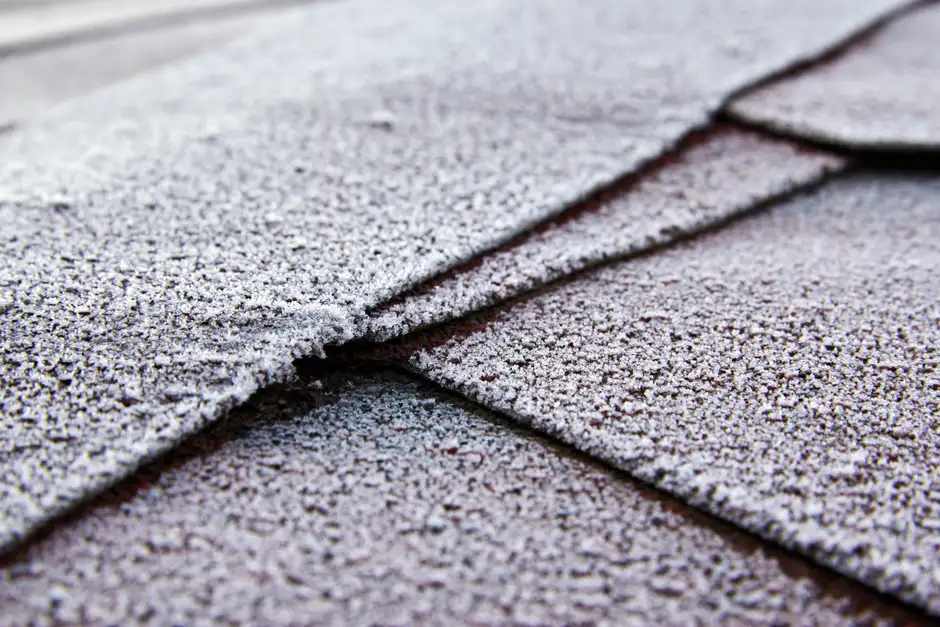
ACV vs RCV, deductibles, adjuster meetings and denials, explained in plain language.
View service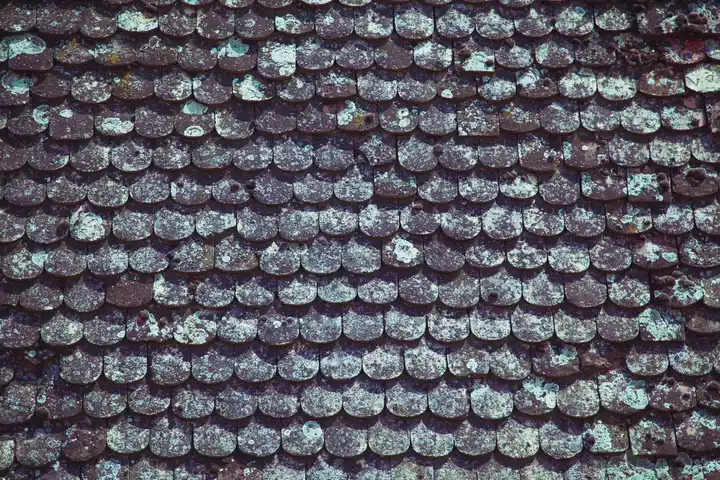
Full tear-off and replacement when repair no longer makes sense, with the deck inspected first.
View service
A full walk of the roof and attic with photos, so you can see what is wrong before you decide anything.
View service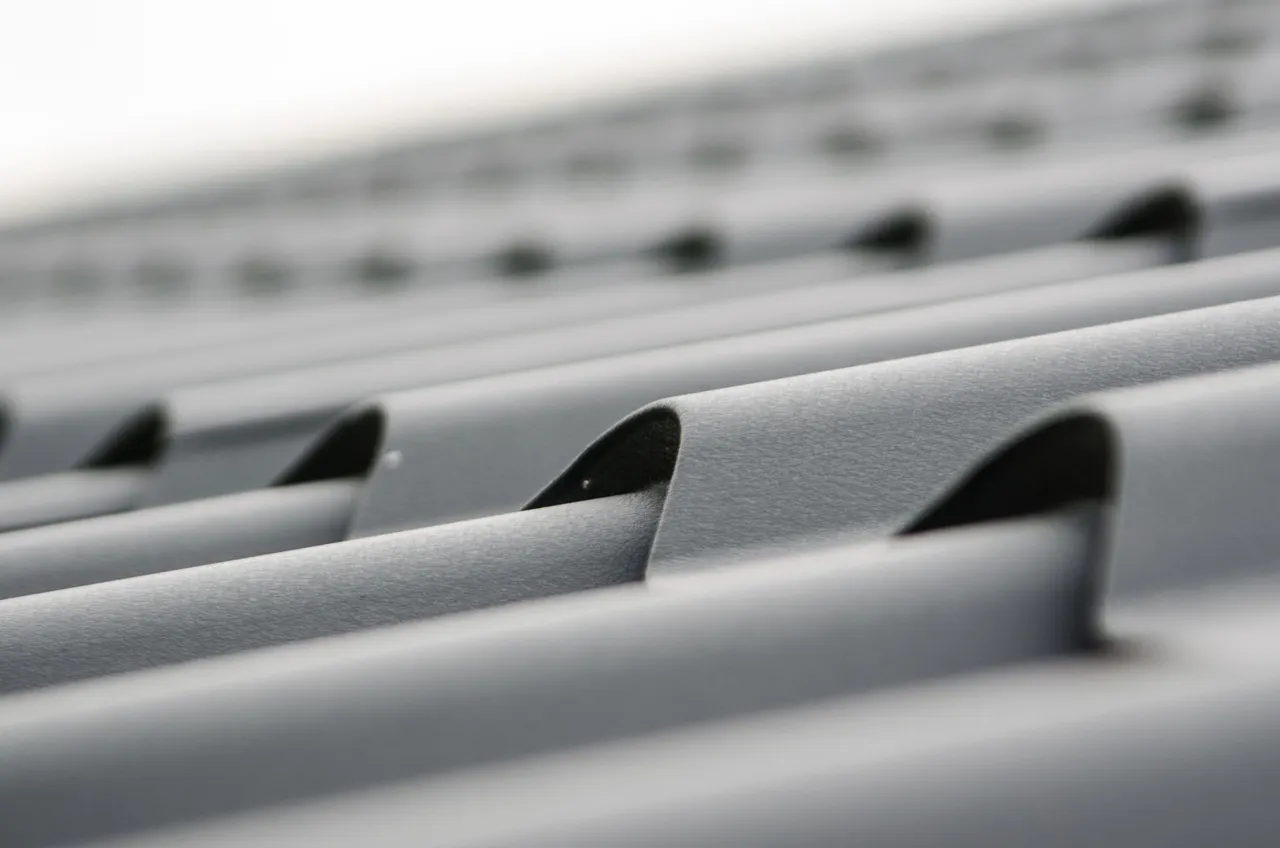
Call (936) 873-7200 and tell us what you are seeing. We will arrange an inspection, show you photos of the roof, and put the scope in writing before any work starts. Phone is the only way to reach us — there is no email address published for this business.