Focused arrival windows
Useful updates and clear arrival timing.
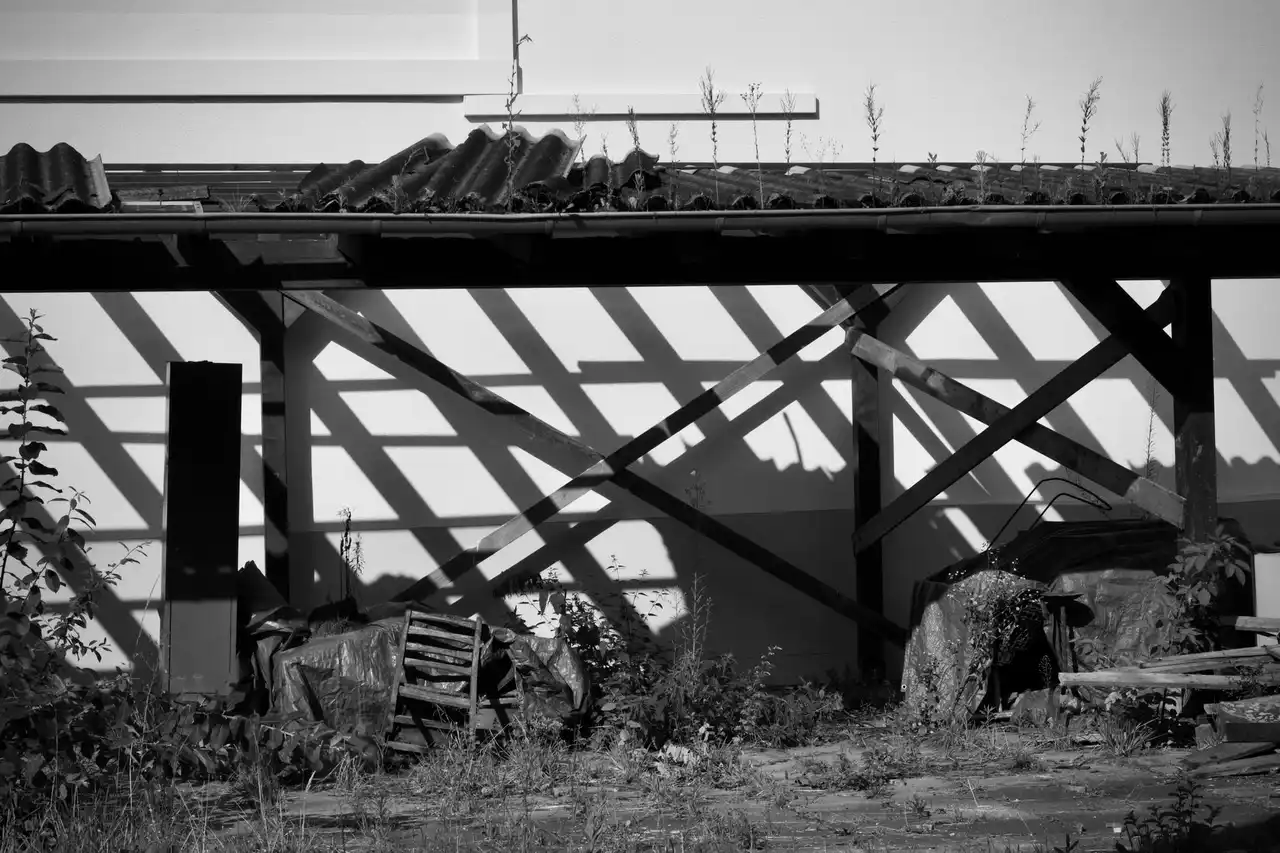
Most Houston homes wear a pitched shingle roof, but that is only half the story. Townhomes in Midtown and EaDo carry flat membranes, Heights and Montrose bungalows often have a flat addition behind the pitched main roof, and River Oaks and Memorial homes carry tile, slate, and metal. Residential roofing in Houston means reading the house in front of you. Start with a roof inspection and a written scope.
Useful updates and clear arrival timing.
Review the approach and price before deciding.
Equipped vehicles and respectful cleanup.
Neighbors serving neighbors with follow-through.
One visit, one written scope, and the whole roof system checked. Here is what a residential job covers.
Architectural shingles dominate Houston pitched roofs. Metal and tile suit custom builds and the streets where they already stand, like River Oaks and Memorial.
Townhome flat decks, bungalow rear additions, and garage conversions get a membrane, not shingles. Shingles on a low slope pond, delaminate, and leak.
Every job starts at the deck. Underlayment, membrane at valleys and eaves, and new flashing are part of the system, not extras.
Pre-1980 bungalows in Montrose and EaDo were built with gable vents only, well short of balanced ridge-to-soffit ventilation. We check it and say so in the report.
Valleys, gutters, and downspouts are checked with the roof, because a roof that sheds water into a blocked gutter rots at the eaves.
A re-roof inside the city needs a City of Houston Residential Roofing Permit. The permit and inspection are part of the written scope.
Tell us the age of the house and what the roof is doing. We will talk through the next step and what an inspection covers.
Residential roofing in Houston is a hub, not a single product. The pitched shingle roof is the most common, but the city's housing stock runs from 1890s bungalows to 1990s townhomes to new custom builds, and each era has a different roof.
The number to know is 18 to 25 years. That is how long architectural shingles last in Houston, against about 30 years nationally, because heat, UV, and humidity wear the binder down. A roof installed in 2005 is at or past the end of that range now. The 1993 to 2008 townhome cohort in Midtown is in the same window for its flat membranes, which blister and delaminate under rooftop temperatures above 160 degrees in summer.
Then there is the two-roof house. In the Heights and Montrose, a single property often has a pitched shingle main roof and a flat membrane addition of a different age. The addition ponds, delaminates, and rots its deck invisibly while the main roof looks fine. Any residential scope that prices one roof and ignores the other is incomplete. Texas has no state roofing licence. The bill that would have created one, HB 3344, died on 8 May 2025, and Houston has only voluntary contractor registration. Ask any roofer what that means for your job — and get the answer in writing.

We walk the roof and the attic where access allows, photograph the deck, flashing, and ventilation, and write a scope for the roof in front of us.
Shingle, metal, tile, or membrane, chosen for the house, the slope, and the review layer that applies to the property. In historic districts and River Oaks, that layer is checked first.
A re-roof inside the city needs a City of Houston Residential Roofing Permit, about 10 business days. The permit is part of the written scope.
Tear-off to the deck for a replacement, or a targeted repair where the roof has life left. Deck repair is photographed and priced before it is done.
We walk the roof and the yard with you and hand over the photos of the deck and flashing details for your records.
Drives fasteners to the correct depth and pattern for the system being installed.
Checks the deck and attic for hidden moisture before new material goes on.
Strip old material without tearing up the deck underneath.
Keep courses straight and cut clean edges at valleys and rake lines.
Picks up nails and staples from the yard and driveway after tear-off.
Safe access and staging across the whole roof plane.
Seals flashing joints and penetrations as part of the work.
Every cut, valley, and flashing bend is measured to the roof in front of us.
Landscaping and the driveway are covered before tear-off starts.
Photos of the deck, flashing, and finished roof go into your file.

The pitched main roof was ten years old and sound. The flat addition membrane was ponding and the deck beneath it was soft. We replaced the membrane, re-sloped with tapered insulation, and left the main roof alone.
The flat section over the garage was blistering and the pitched shingle section was at end of life. Both were scoped together, because the townhome has one roof system, not two jobs.
Water tracked under the shingle edge in wind-driven rain. We installed a new system with membrane at the eaves and valleys and new flashing throughout.
Houston has no zoning, so deed restrictions, historic districts, and condo declarations do the work instead. In the Heights and parts of Montrose, a historic district review can be required before a material change. In River Oaks, the property owners association reviews material and colour changes. In the Galleria and Downtown, a condo declaration may put the roof in the association's hands, not the unit owner's. We check the review layer for the property before work starts. Where storm damage is involved, the roof insurance claims page explains how a claim works in Texas. Call (936) 873-7200 to talk through your home.
The two-roof house: a pitched shingle main roof and a flat addition membrane, often under historic district review.
A century on one block, from 1920s bungalows to 2010s townhomes. Ventilation failure and flat additions are the recurring problems.
Slate, clay tile, copper, and metal, with property owners association review before any material or colour change.
1950s to 1970s ranches and mid-century moderns, many on a second or third roof, with low-slope sections that pond.
The forest is the roof's enemy and its selling point: pine needles pack valleys and gutters, and shade keeps roofs damp.
Low-slope ranch roofs beside elevated post-Harvey rebuilds. The flood timeline here is 2015, 2016, and 2017.
Coastal wind is the differentiator. Wind uplift matters more here than in north Houston.
A pitched main roof that looked fine, and a flat addition that ponded every time it rained. The deck under the addition was soft.
We replaced the addition membrane, re-sloped it with tapered insulation, and left the main roof alone. The ponding stopped.
Maintenance: Clear the addition's drains and scuppers each autumn. Ponding is what kills a flat membrane.
A 1990s townhome with a blistering flat section over the garage and shingles at end of life on the pitched section.
Both sections were scoped and replaced together, with the project HOA's material list checked first.
Maintenance: Check the building's own HOA, not a neighbourhood HOA. Midtown has dozens of project-level HOAs.
Granule loss and water tracking under the shingle edge in wind-driven rain on a low-slope ranch roof.
A new system with membrane at the eaves and valleys and new flashing throughout, so wind-driven rain stays outside.
Maintenance: Keep valleys and gutters clear. On a low-slope roof, debris holds water against the shingles.
Most residential roof problems in Houston trace back to age, heat, storm damage, or a second roof system nobody priced. Here is what we fix.
Houston heat, UV, and humidity shorten shingle life to roughly 18 to 25 years. Granule loss, curling, and cracking are the signs. We inspect and say plainly whether repair or replacement is the honest answer.
Townhome flat decks and bungalow additions pond, blister, and delaminate. We inspect the flat section with the pitched roof, because it is the same roof system.
Poor ventilation lets Houston humidity rot decking from inside the attic without visible staining. We check ventilation on every inspection and say what we find.
Most leaks start at chimney flashing, skylight curbs, vent boots, and valleys. We replace flashing during a re-roof and repair it where the roof has life left.
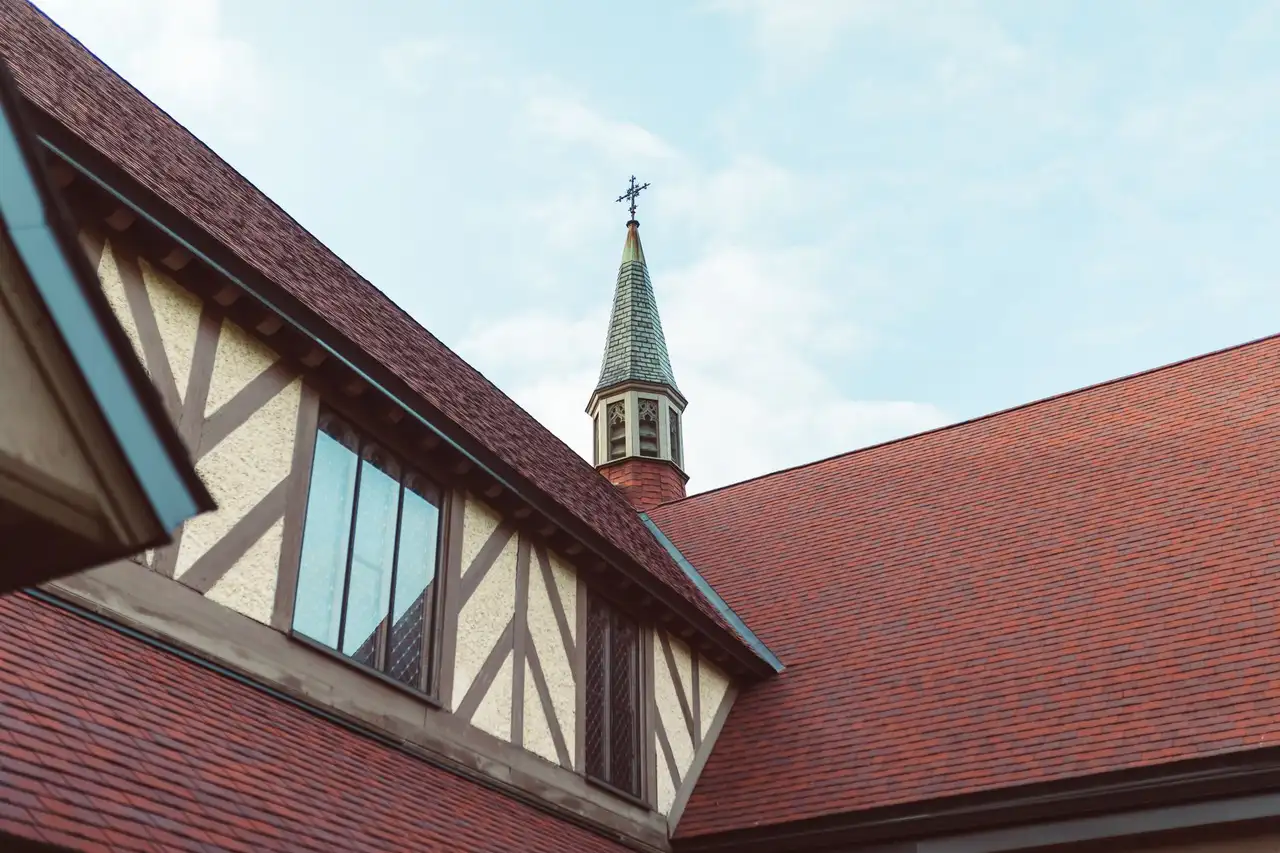
Our crews work across Harris County every week, from 1890s bungalows to 1990s townhomes to new custom builds. Every job is photographed at the deck and flashing stages, and the permit inspection is part of the job. That is what a homeowner can actually check: the photos, the permit, and the written scope.

“From our first call with Thomas Family Roofing, it was clear they were focused on giving us a quality new roof and making the whole roofing process easy to understand.”
“I hired Thomas Family Roofing for a flat roof repair after hearing good things from friends and reading strong reviews. The whole experience was smooth and professional from start to finish. They also cleaned out the roof drains since they were clogged.”
“They replaced an old cracked skylight on the roof of my two-story home, and I was very pleased with the whole roofing process. From the first call back to the roof inspection, estimate, and final installation, everything was handled on time.”
Rating 4.9 out of 5 from 46 Google reviews (42 five-star, 4 four-star). A further 41 reviews are visible only as an aggregate on Google. See all reviews on Google.
Architectural shingles last roughly 18 to 25 years in Houston, against about 30 years nationally, because heat, UV, and humidity wear the binder down. A roof installed in 2005 is at or past the end of that range now.
In the Heights and Montrose, a single property often has a pitched shingle main roof and a flat membrane addition of a different age. The addition ponds, delaminates, and rots its deck invisibly while the main roof looks fine. Both are inspected and scoped together.
A City of Houston Residential Roofing Permit is required for a re-roof or overlay inside the city — plan review and inspection, a $33.56 admin fee, about 10 business days, valid 6 months. Roof covering of 100 sq ft or less in aggregate is exempt. In unincorporated Harris County there is no residential roofing permit.
No. Texas has no state roofing licence. HB 3344, the bill that would have created one, died on 8 May 2025, and Houston has only voluntary contractor registration.
Not seeing your question? Call (936) 873-7200 and talk it through with the local team.
Ask the local team
When your existing roof is at the end of its life, replacement is the same tear-off and install process, scoped to your home.
View service
Not every leak needs a new roof. If the damage is isolated and the roof has life left, a targeted repair is the honest answer.
View service
A photo and video report, a written scope, and a straight answer on whether you need repair or replacement.
View service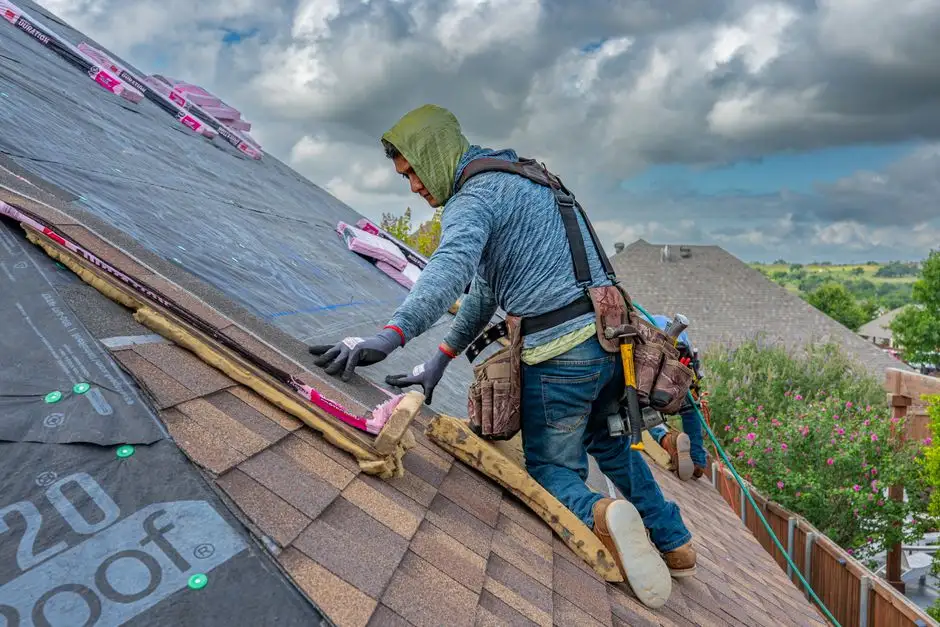
Architectural shingles are the pitched roof Houston builds most. Here is how they hold up in Gulf Coast heat and hail.
View service
Call (936) 873-7200 and tell us what you are seeing. We will talk through what is happening, what an inspection covers, and the next step. Or send a service request with the form and we will call you back.